
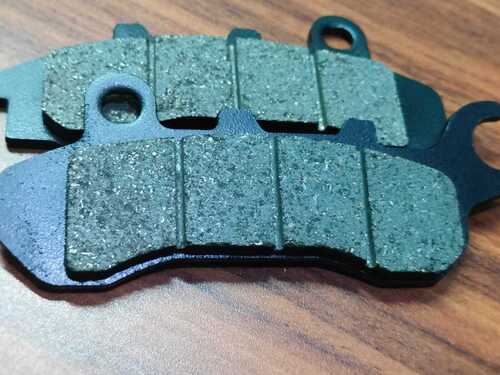
Disc brake pads are essential components of a vehicle’s braking system that play a vital role in ensuring safety by effectively slowing down or stopping the vehicle. They are used in disc brake systems commonly found in most modern cars, motorcycles, and some bicycles.
The basic function of a disc brake pad is to create friction against a rotating metal disc, known as a rotor, when the brakes are applied. This friction converts the vehicle’s kinetic energy into heat, slowing the rotation of the wheel and ultimately bringing the vehicle to a stop. The brake pads are mounted inside a caliper, which presses the pads against the rotor when the brake pedal is pressed.
Brake pads are made from various materials, each suited for different driving conditions and requirements. Common types include semi-metallic, organic (non-asbestos), and ceramic brake pads. Semi-metallic pads offer good heat dissipation and durability but can be noisier. Organic pads are quieter and gentle on rotors but wear out faster. Ceramic brake pads provide excellent stopping power with less dust and noise, though typically at a higher cost.
Regular inspection and timely replacement of brake pads are crucial, as worn-out pads can reduce braking efficiency and damage the rotors. Brake pads wear down over time due to the friction generated during braking, so neglecting their condition can lead to costly repairs and compromised vehicle safety.
In summary, disc brake pads are the friction material components that press against the brake discs to reduce wheel speed and stop the vehicle safely. They are crucial for vehicle control and safety and need to be maintained properly through regular inspection and replacement as needed to ensure optimal braking performance.
This understanding highlights the importance of brake pads in the entire braking system and the necessity to keep them in good condition for safe driving.
